From Heavy Bags to Speed Bags: Best Boxing Equipment Explained
- Oliver Bennett
- Feb 11
- 6 min read


Look, boxing isn’t a sport where you can cheap out on gear and hope for the best. Doesn’t work like that. The best boxing equipment isn’t some fancy add-on you brag about in the gym. It’s the difference between training hard or training injured. Big difference. I’ve seen people tear wrists, scrape knuckles raw, and even lose motivation—just because they picked the wrong gloves or a bargain-bin punching bag that swung like a drunk street sign. So yeah, gear matters. But with so much noise online—reviews, “expert lists,” brands screaming for attention—it gets confusing fast. This guide cuts through the mess, helps you understand the types of punching bags, gloves, wraps, and the whole deal. No fluff. No sugar-coating. Just the real stuff.
Breaking Down What “Best Boxing Equipment” Really Means
People throw that phrase around—best boxing equipment—like it’s some magical badge. But here’s the truth most folks skip: what’s “best” depends on what you’re doing. Heavy bag work isn’t the same as mitt sessions. Sparring gloves aren’t training gloves. And that bag your favorite YouTuber uses? Might be garbage for you if your setup or skill level doesn’t match. Quality gear should feel like an extension of you. Not awkward. Not stiff. It shouldn’t fight you while you’re fighting it. And it shouldn’t break in two months. Trust me, nothing kills momentum like a tearing strap or a bag leaking filler all over your garage floor. Been there. Not fun.
Understanding the Types of Punching Bags Before You Buy
Punching bags come in more flavors than most beginners realize. There’s the classic heavy bag. The double-end bag. Speed bag. Wrecking ball. Aqua bag. Free-standing towers. And each one does something different. You wouldn’t use a chef’s knife to cut down a tree. Same logic here. Heavy bags build raw power. Double-end bags sharpen accuracy and rhythm. Speed bags tune up timing, shoulder endurance, that kind of loose fluidity fighters have. Wrecking balls let you practice angles. Aqua bags? Soft on the hands but heavy enough to feel like hitting a real body. If you understand the types of punching bags, you buy smarter and train smarter. If you don’t, you waste money and wonder why you're not improving.
Heavy Bags: The Workhorse of Any Boxing Setup
The heavy bag is the old reliable. Simple. Brutal. Honest. You hit it, it hits back—well, it might. Depends how you strike. The bag teaches you more about your technique than any mirror or coach line ever will. If your punch lands wrong, you’ll feel it. But not all heavy bags are the same. Some are filled with cloth, others sand, some a blend. Cloth feels more forgiving. Sand feels like punching a parked car. I’ve trained on both, and honestly, unless you’re preparing for some underground tournament with concrete-fisted opponents, go with a softer fill. Better for joints. Better for long-term training.
Aqua Bags: Softer Feel, Heavy Impact, No Nonsense
Aqua bags look weird the first time you see them—like someone hung up a giant water balloon—but they’re legit. They swing differently. Absorb shock differently. They’re easier on the wrists, which is a big deal if you’re punching often or if your form is still a little shaky. They also last longer than traditional bags because water doesn’t settle the way sand does. No lumpy spots. No sagging bottoms. Doesn’t feel like you’re punching a rock. And for smaller spaces, they’re a lifesaver because they don’t need as much clearance. Anyone building a garage gym should at least consider one.
Double-End Bags: Your Best Friend for Precision Work
This thing can humble you real fast. It’s fast, unpredictable, and forces you to sharpen everything—timing, reflexes, footwork. A lot of folks skip the double-end bag because it feels frustrating at first, but skipping it is like learning to run without ever learning to walk backwards. You miss essential movement. If you want hands like lightning and accuracy that doesn’t vanish when your adrenaline spikes, train on this bag. A few minutes a day. You’ll feel the difference in your sparring. Your shots start landing cleaner. You start slipping more naturally. It’s a small piece of equipment, but man, it delivers.
Speed Bags: Rhythm Machines That Build Fluidity
Speed bags look easy until you hit one wrong and it bounces right back at your face. I’ve been hit by more speed bags than opponents, which is embarrassing to admit but hey—keeps you honest. They build rhythm, shoulder stamina, hand-eye coordination. You don’t need long sessions. Just a couple rounds a few times a week, and suddenly your shoulders don’t burn mid-round the way they used to. And your punches start flowing smoother. Not stiff. More like water, if you’ll forgive the cliché.

Free-Standing Bags: Convenient, but Choose Carefully
Free-standing bags get a bad rap, but honestly, they serve a purpose. If you can’t drill into walls or ceilings, or your landlord would lose their mind if you tried, these are a solid compromise. Some models wobble too much. Some are weighted well and barely move. But don’t go cheap. Cheap ones dance all over the room. You spend more time dragging them back into place than you do punching them. Good ones feel almost like a proper hanging heavy bag. Just, you know, less commitment, and easier to move. For apartment fighters, they’re often the only option.
Boxing Gloves: Where Comfort and Protection Collide
Gloves are the closest relationship you’ll have in this sport (unless your coach yells close enough to count). The best boxing equipment always includes gloves that actually fit your hand, not gloves you bought because they were on sale. You need gloves that support your wrists, have padding that won’t flatten in a month, and feel like something you can wear for an hour without losing hand circulation. Sparring gloves should be softer. Bag gloves can be firmer. If you’re serious about training, buy at least two pairs—one for the bag, one for sparring. Your partners will thank you.
Hand Wraps and the Often-Ignored Necessity of Protecting Knuckles
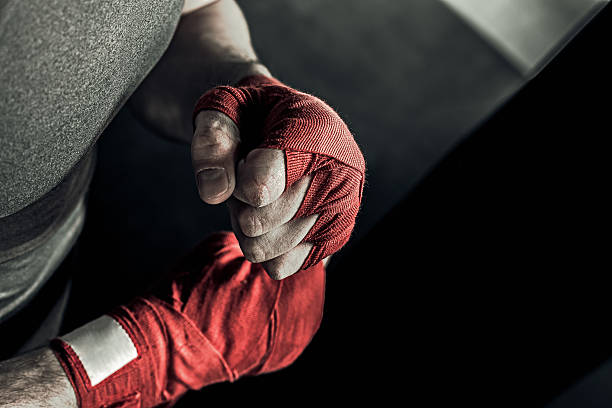
Most beginners skip wraps. Or they throw them on sloppy, like they’re wrapping a sandwich for later. Big mistake. Wraps aren’t just fabric—they’re your first line of defense. They hold your wrist in place, protect your knuckles from abrasion, and help avoid those annoying micro-tears that take forever to heal. Cloth wraps are the standard. Gel wraps exist, but I’ve never loved the bulky feel. Cloth gives you a better connection to the glove. And once you learn how to wrap properly, the ritual becomes part of warm-up. A small moment to switch your brain into training mode.
What to Buy First When Building a Boxing Setup
If you’re overwhelmed and wondering where to start, here’s the simplest advice I can give: buy what you’ll actually use. For most people, that’s a heavy bag (or aqua bag), one solid pair of gloves, and wraps. That’s it. Don’t drop hundreds on fancy bags until you’ve built a routine. Don’t buy gear because it “looks pro.” Buy gear that helps you build consistency. When you’re showing up regularly—three, four times a week—then start expanding your setup. Add the double-end bag, then maybe the speed bag. Build slow. Build smart.
Final Thoughts: Train Real, Train Smart, and Keep Learning
Boxing is simple at its core—hit and don’t get hit. But the path to getting good? That part’s messy. Your gear shouldn’t make it messier. The right equipment helps you train harder, safer, and with way more enjoyment. Whether you’re a beginner or someone getting back in the game, choosing the best boxing equipment and understanding the types of punching bags sets your whole foundation. And if you’re looking for gear that doesn’t fall apart or feel like an afterthought, check out Be Happy Boxing. They focus on real fighters, real training—not gimmicks. Visit Be Happy Boxing to start.

FAQs
What’s the best punching bag for beginners?
Usually a standard heavy bag or an aqua bag. They’re forgiving, durable, and give you a simple way to build power and technique.
Are free-standing bags good for serious training?
Some are. Just avoid the flimsy ones. A quality free-standing bag can absolutely handle solid power sessions.
How many boxing gloves do I need?
Two pairs if you’re training seriously: one for bag work, one for sparring. Keeps your training partners safe.
Do I really need hand wraps?
Yes. 100% yes. They protect your hands, wrists, and help your gloves fit better.
How do I choose the right punching bag weight?
As a rough guide, heavier bags (80+ lbs) are best for strong hitters. Lighter bags move more and help with footwork and speed.


Comments